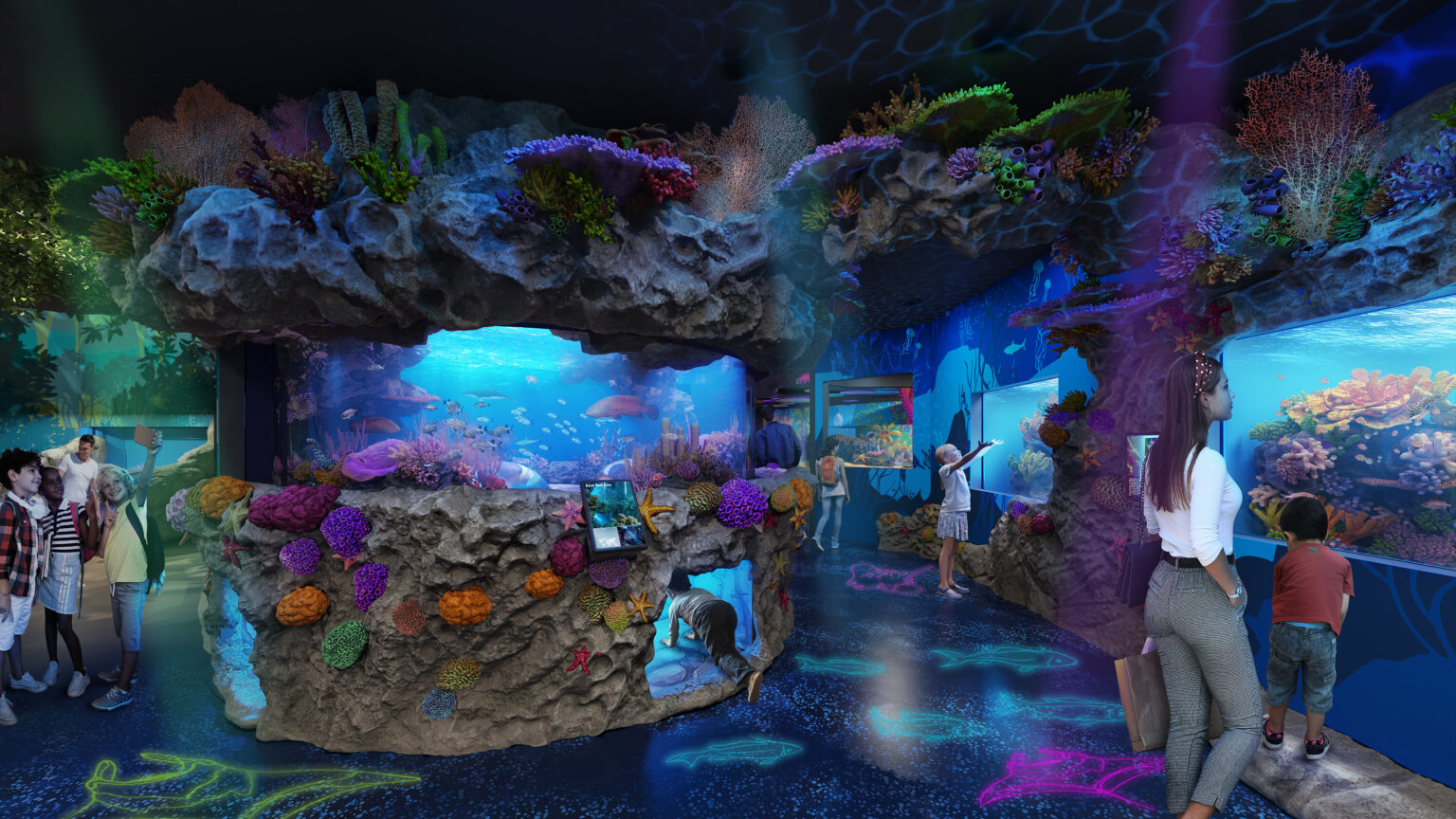
Step to the edge of a Guam reef at low tide and it looks quiet. Look closer and every crack and ledge is occupied: tiny fish darting between branches of coral, urchins wedged in crevices, and algae-grazing parrotfish working over the stone. This living structure is one of the island’s most important natural assets.
A living barrier for the coast
Healthy reefs slow incoming waves before they reach the shore. That protection matters on a Pacific island, where storms, swell and rising seas are part of life. A reef that is growing and intact does more than look beautiful; it helps shield beaches, roads and neighbourhoods.
Protecting the reef is protecting the island, its food, its stories and its future.
Home to far more than coral
Reefs cover a small share of the ocean floor yet shelter a very large share of marine species. Fish nurseries, feeding grounds and hiding places all depend on the reef structure. Many of the fish people enjoy at the table begin their lives in or near these habitats.
What puts reefs under pressure
- Warming seawater that stresses corals and can cause bleaching
- Runoff that carries sediment and pollutants onto the reef
- Physical damage from careless anchoring and walking on coral
What we can all do
Small choices add up: use reef-safe sunscreen, keep your fins off the coral, take your litter home and share what you learn with friends and family. Understanding the reef is the first step toward caring for it.